POS operations guide
Music school lesson package and recital POS workflow
A music school sells lesson promises, teacher time, make-up lessons, exams, recitals, books, instrument rentals and small accessories before it sells ordinary products. The POS workflow has to keep enrolments, monthly tuition, lesson packages, attendance, missed lessons, teacher assignment, recital or exam fees, material stock, payment proof, refunds and owner reports clear enough for the front desk, teachers, parents and adult students.
Evidence and review scope
Evidence reviewed 2026-09-02. Reviewed current Posnic stable release boundary, archived customer, sale and item data models, and adjacent membership, class-pass, academy, dance-school and martial-arts guide patterns.
Stable release: v1.6.1, source commit 567a176. No complete music school deployment, lesson timetable, attendance app, teacher payroll, learning-management workflow, parent portal, recurring mandate, live student migration, recital ticketing integration, child-data/privacy review or accepted pilot week is established by this page. Reproduced evidence remains pinned to an archived source snapshot.
What the current evidence establishes
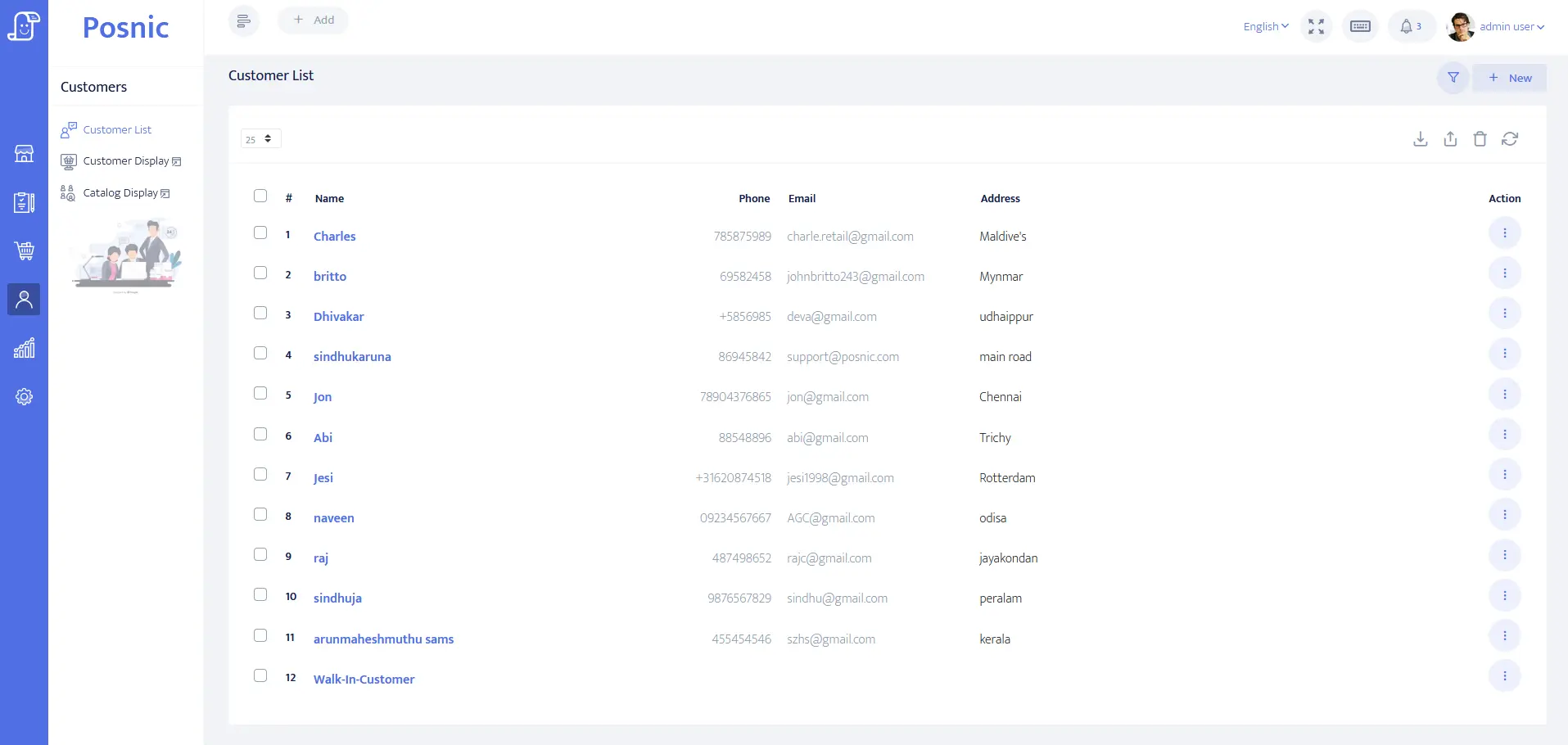
Student and family records exist
Pinned source evidence contains customer identity, address, balance and payment-term fields that can be evaluated for student, parent or adult-learner accounts. It does not prove consent management, lesson notes or attendance history.
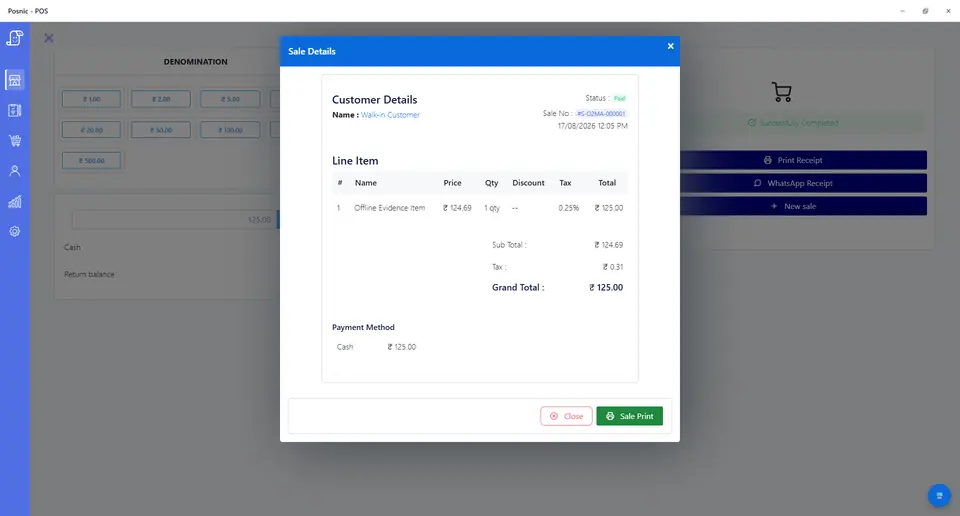
Lesson, recital and payment records exist
Sale records can hold enrolment fees, monthly tuition, lesson packages, trial lessons, recital fees, exam fees, instrument rentals, books, accessories, tenders and balances for synthetic tests. They do not prove automatic renewal, timetable management or payment settlement.
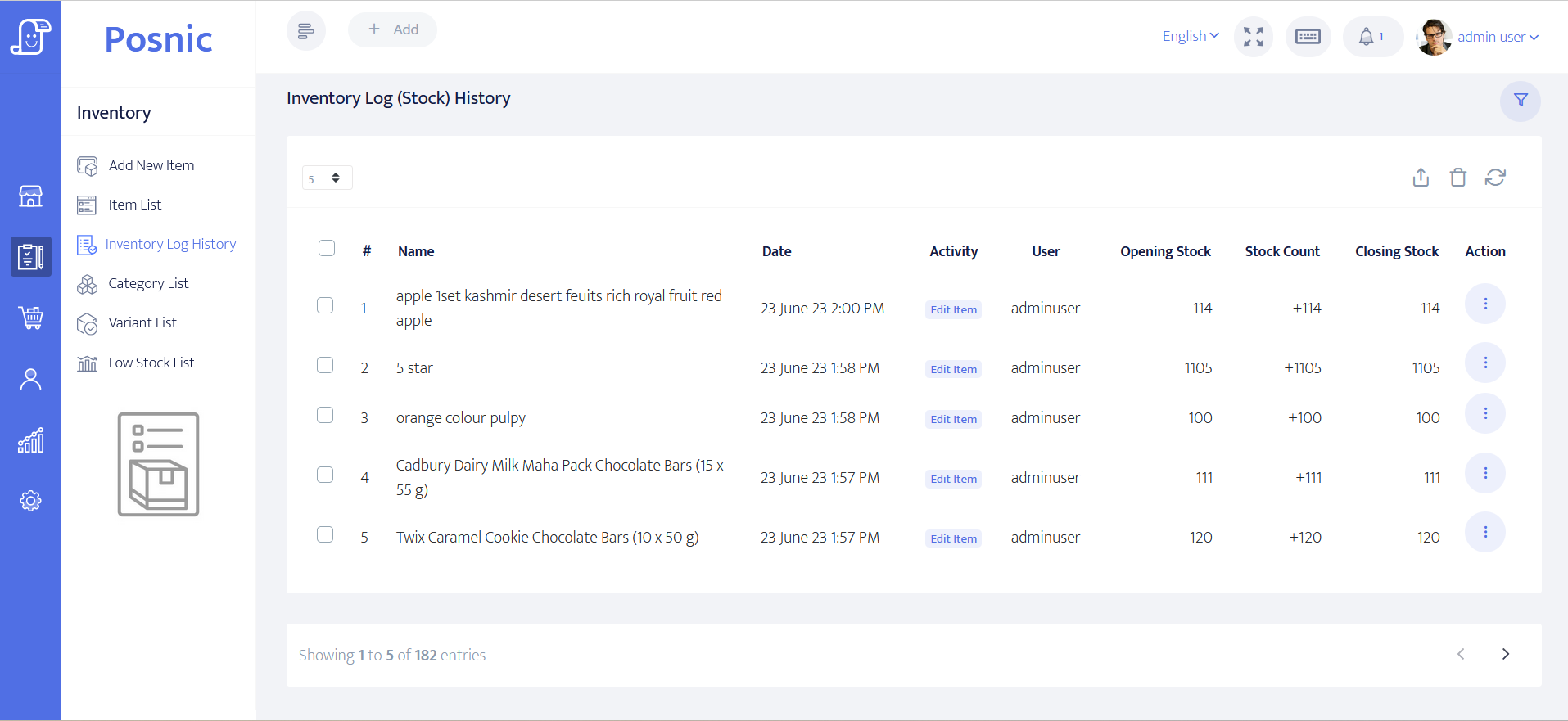
Material and accessory stock evidence exists
Item and stock-history paths can be inspected for books, sheet music, strings, reeds, tuners, cables and accessories. Lesson access, make-up credits and recital eligibility still need their own accepted process.
Scheduling remains an operational control
Teacher availability, lesson rooms, group capacity, make-up rules, recital preparation, reminders and local privacy requirements must be accepted against the exact music school workflow before automation is trusted.
Music school POS controls before rollout
Music schools often mix parent payments, adult learners, teacher schedules, lesson packages, missed classes, recital promises and small retail stock at one desk. Keep each control separate so money, attendance, teacher work and owed lessons stay explainable.
| Area | Record to keep | Why it matters | Acceptance check |
|---|---|---|---|
| Student profile | Student, parent or adult learner, course, instrument, level, teacher, permitted follow-up, duplicate check and balance. | Front desk needs the right student without putting private notes on receipts. | A student can be found and billed without exposing sensitive details. |
| Course or instrument | Lesson type, instrument, level, group or one-to-one rule, teacher and pricing boundary. | Music schools need more structure than a generic lesson item. | Lesson sales can be grouped without free-text item names. |
| Enrolment fee | Registration item, start date, course, teacher, level, amount, payment state and staff owner. | Joining money should not be hidden inside the first tuition bill. | Enrolment is searchable separately from tuition. |
| Monthly tuition | Plan, month, validity dates, included lessons, teacher or room rule, payment state and due date. | Parents and adult students ask whether lessons are active, expired, partial or unpaid. | Front desk can answer current tuition status quickly. |
| Lesson package | Package size, sale date, expiry, used lessons, remaining lessons and transfer rule. | A lesson package is owed value until lessons are consumed or expire by rule. | Each attendance redemption links to the original package sale. |
| Attendance | Lesson date, course, teacher, room, attended/no-show state and package deduction. | Attendance is not the same as payment proof. | A lesson reduces only the accepted package. |
| Make-up lesson | Missed lesson reason, allowed/denied state, expiry, teacher, room and approver. | Make-up promises leak value when they live only in messages. | Every make-up has a remaining value and expiry trail. |
| Teacher assignment | Teacher, lesson type, trial, package, exam preparation, recital coaching and delivered state. | Teacher responsibility should not require editing payment records. | Owner can review delivered work by teacher. |
| Room or slot capacity | Room, instrument availability, group size, teacher slot and over-capacity rule. | A paid lesson creates a schedule promise. | Over-capacity cases are flagged before another promise is made. |
| Recital or concert | Event date, student, fee, ticket, hall charge, costume or accompanist rule and payment state. | Recital promises create event, payment and refund obligations. | Booked, paid, partial, cancelled and refunded states reconcile. |
| Exam or certificate | Exam board, due date, fee, certificate rule, teacher approval and payment state. | Assessment money should not disappear inside monthly tuition. | Eligible, paid, partial and refunded states reconcile. |
| Instrument rental | Instrument, deposit, rental dates, condition, return date and payment state. | Rental liability is separate from lesson income. | Rental return and deposit state remain visible. |
| Books and accessories | SKU, item type, quantity, price, tax group, stock movement and exchange rule. | Books, strings and accessories are inventory, not tuition revenue. | Stock changes separately from service income. |
| Payment proof | Cash, card, wallet, bank transfer, manual proof, failed attempt, refund and balance due. | Lesson permission or recital eligibility is not collected money. | Tender totals and unpaid balances reconcile before close. |
| Owner review | New students, renewals, dues, package balances, missed lessons, make-ups, teacher activity, recital fees, refunds and stock exceptions. | Small schools leak revenue when review depends on notebooks and messages. | Owner sees money, attendance, teacher work and remaining value together. |
Practical workflow
Lesson attendance is not payment proof
A student may attend after paying online, paying at the desk, using a package, taking a trial, receiving a make-up lesson or owing a balance. Keep attendance state and payment proof visible but separate.
Teacher time needs its own trail
Teacher assignment affects lesson delivery, make-ups, exam preparation, recital coaching and payroll review. Record the teacher and delivered state without rewriting the original payment.
Recital and exam fees are promises
When a school accepts a recital, concert, exam or certificate fee, it creates a promise around event capacity, teacher approval, dates, materials, tickets and refund rules. The fee should not disappear inside a generic monthly tuition item.
Books, rentals and accessories belong in stock
Books, sheet music, strings, reeds, picks, cables, tuners and rental instruments should not be buried inside lesson revenue. SKU, condition, issue state, exchange rule and stock movement need their own trail.
Music school lesson package and recital flow
Run the same short path for enrolments, tuition, lesson packages, trials, make-ups, recitals, exams, instrument rentals and material sales before connecting booking apps or reminder tools.
Create student
Capture only the details needed for billing, parent or adult-student contact, duplicate prevention, course, level, teacher and approved follow-up.
Sell tuition or package
Choose enrolment, monthly tuition, lesson package, trial lesson, exam fee, recital fee, instrument rental, deposit, book or accessory as a distinct sale line.
Record attendance and teacher
Assign teacher, room, course, attended/no-show state and make-up eligibility only after the payment or package state is visible.
Record payment state
Mark cash, card, wallet, bank transfer, manual proof, balance due, failed payment or refund without storing card data in POS.
Review before next week
Owner checks dues, active packages, missed lessons, make-up promises, teacher activity, recital balances, exam fees, refunds and stock exceptions.
Hardware, data and payment setup
Hardware
- POS computer, laptop or tablet at the reception desk.
- Receipt printer for tuition, lesson packages, trial lessons, recital fees, exam fees, rentals, material sales and refunds.
- Barcode scanner only if books, sheet music, strings, reeds, accessories or labelled merchandise are sold.
- Cash drawer or counted cash box where cash is accepted.
- Optional teacher tablet, QR attendance or lesson-booking device after attendance and make-up rules are accepted.
- Off-device backup location for student, payment, package, attendance, recital, rental and stock records.
Software and data
- Student profiles with parent or adult-student contact, course, instrument, teacher, level, package, balance and permitted follow-up fields.
- Enrolment, monthly tuition, lesson package, trial lesson, make-up lesson, recital fee, exam fee, rental, deposit, material item and refund setup.
- Attendance, no-show, cancellation, make-up, pause, extension, teacher change, room change and package-redemption controls.
- Payment modes and failed-payment follow-up without storing card data in POS.
- Reports for dues, package balances, missed lessons, make-ups, teacher activity, recital balances, exam fees, refunds and material stock.
- Export and restore workflow before importing real student lists.
Setup sequence
- Write school rules before entering prices: fee cycle, included lessons, package expiry, make-up allowance, teacher change rule, room capacity, recital eligibility, exam fee rule, rental deposit, refund rule and renewal method.
- Create synthetic students first and test enrolment, tuition fee, package sale, lesson attendance, trial lesson, no-show, make-up, recital fee, exam fee, rental, refund and book sale.
- Separate enrolment fees, monthly tuition, lesson packages, trials, make-up credits, recital fees, exam fees, rentals, deposits, materials and private notes as different records or accepted boundaries.
- Record one failed payment and one manual payment proof case so staff know the difference between lesson allowed, payment pending and payment verified.
- Run a week-start review for dues, expired packages, unused lessons, absent students, make-up promises, recital balances, exam balances and teacher conflicts.
- Test book and accessory stock by selling, exchanging and returning one item while keeping lesson income and package balances unchanged.
- If a booking app or reminder tool is used, test duplicate attendance, over-capacity, teacher change, late cancellation, make-up expiry and offline fallback cases.
- Back up the test data, restore it on a clean device, and confirm students, packages, attendance, teachers, recitals, rentals, payments, stock and reports survive.
- Approve a pilot only after owner, front desk, teacher, parent/privacy, payment and support responsibilities are written down.
What each person sees
Parent or student
Receives clear proof of what was paid, what remains, lesson status, recital or exam balance, rental state, refund state and material purchase without private notes on the receipt.
Front desk
Can answer active, expired, unpaid, trial, package balance, make-up, teacher, recital and exam-balance questions without searching messages.
Teacher
Sees assigned lessons, attendance, make-up or recital responsibility without changing billing or refund records.
Owner
Reviews dues, renewals, package liability, make-ups, missed lessons, recital balances, exam fees, refunds, teacher activity and material stock.
Product evidence to inspect
Mistakes to avoid
Avoid these during rollout
- Treating a lesson attendance mark as proof that payment was collected.
- Selling lesson packages without expiry, make-up and remaining-session rules.
- Changing teachers or lesson rooms without a date, approval and review trail.
- Letting recital eligibility, exam fees, rental deposits and make-up promises live only in chat or staff memory.
- Mixing enrolment fees, tuition, recital fees, exam fees, rentals, deposits and material stock into one generic item.
- Putting private child-data, learning, guardian or payment notes on receipts, exported billing files or broad owner reports.
- Importing real student lists before a disposable restore and export test passes.
- Buying booking or reminder tools before the front-desk workflow is accepted.
Use the blank music school POS acceptance record
The CSV keeps 24 controls blank until the exact school workflow is tested. It covers lesson packages, attendance, make-up lessons, teacher assignment, recital fees, exam fees, instrument rental, material stock, payment proof, refund, backup and owner approval.
Primary sources used
Current Posnic stable release
Stable package boundary used for product review and download references.
Pinned Posnic source tree
Exact archived source commit used so product-boundary statements do not drift with later work.
Pinned customer model
Customer identity, address, balance and payment-term fields relevant to student, parent and adult-learner accounts.
Pinned sale model
Sale fields relevant to tuition, lesson packages, recital fees, rentals, materials, payments and balance testing.
Pinned item model
Item, SKU, barcode, quantity, price, tax and stock fields relevant to books, accessories and rental inventory.
PCI SSC merchant process
Official merchant guidance for payment responsibilities. It is used as a payment-scope reference, not a Posnic certification.
Related Posnic pages
Questions
Is music school POS the same as gym membership billing?
No. Both sell packages and attendance, but music schools usually need teacher assignment, course or instrument grouping, make-up lessons, recitals, exam fees, rentals, books and parent communication. Those controls should stay visible instead of being hidden inside generic membership billing.
Should lesson attendance automatically mark fees as paid?
No. Attendance, package redemption, teacher work and payment proof should stay separate until the exact workflow is accepted. A student may attend after a paid package, a trial, a make-up lesson, a manual payment proof or an approved exception.
How should make-up lessons be handled?
Record the missed lesson reason, allowed or denied state, expiry, teacher, room and approver. A make-up lesson is owed value until it is used, expires or is cancelled by rule.
How should recitals and exams be handled?
Record event or exam date, eligibility or teacher approval, capacity, fee state, materials, ticket or certificate rule and refund boundary. Do not treat those obligations as only a private note or generic item sale.
What should the owner review every week?
New students, overdue fees, expiring packages, unused lessons, missed lessons, make-up credits, teacher activity, recital balances, exam fees, refunds, failed payments and material stock exceptions.
Where does Posnic fit in this workflow?
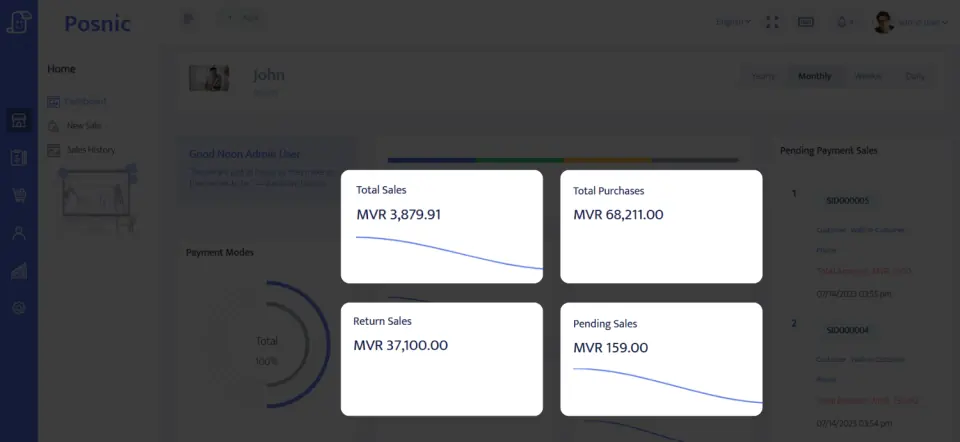
Archived Posnic evidence can be evaluated for customer records, sale lines, payment labels, stock history and reports. It does not prove complete lesson scheduling, make-up automation, parent portals, teacher payroll, recurring payments or a live music-school rollout.
Where Posnic fits
Posnic Community Edition can be evaluated for front-desk billing, student or parent records, payment labels, book and accessory stock, rental items and owner reports. Keep lesson booking, attendance apps, make-up automation, recital ticketing, exam-board integrations, automatic renewals, reminder campaigns, teacher payroll, child-data/privacy review and full music-school automation outside the accepted scope until the exact workflow passes the blank record. Posnic Cloud helps only when the school needs remote dashboard access, managed backup, multi-outlet visibility or scoped custom work.