Evidence-led pharmacy evaluation
Pharmacy POS for expiry and traceability checks
Test checkout, supplier receiving and item-level expiry while keeping lot, FEFO, recall and prescription requirements visible as approval gates.
Need lot-level or regulated workflows? Check the acceptance boundary or discuss a required gap.

Evidence and product boundary
Reviewed 18 August 2026. This guide uses WHO storage and distribution guidance, GS1 healthcare identification standards, official India and US examples, pinned Posnic source and focused tests.
Stable release: v1.9.0, archived evidence source b531ef4. Eleven focused expiry tests were rerun with zero failures. No complete pharmacy operating day, physical medicine barcode, printer, payment terminal, prescription, recall or regulatory inspection was exercised.
The CSV contains 20 controls with blank observation, evidence, owner, review, decision and follow-up fields. A blank or completed row is not proof until the named evidence is reviewed.
Six controls that separate pharmacy inventory from ordinary retail
Product and pack identity
Map the exact medicine, strength, dosage form, pack and market identifier. Similar names are not interchangeable records.
Batch or lot traceability
Keep receipt, supplier, batch or lot, expiry and quantity together. One item can have several lots with different dates and recall status.
FEFO and quarantine
First-expiry-first-out needs lot-level dates and a controlled exception path. Expired, damaged, returned, recalled or suspect stock should not remain available as ordinary stock.
Recall reach
Find affected receipts, remaining quantity, transfers, returns and customers where law permits or requires. Reconcile quantity distributed, quarantined and recovered.
Sale and prescription records
Required purchaser, prescriber, pharmacist, licence, medicine and retention fields vary by product class and jurisdiction. A generic receipt is not always the complete record.
Storage and continuity
Temperature, restricted access, backup, restore and outage procedures sit beside the POS. Software cannot prove the physical storage condition by itself.
What archived Posnic evidence actually establishes
| Area | Reviewed evidence | Published boundary |
|---|---|---|
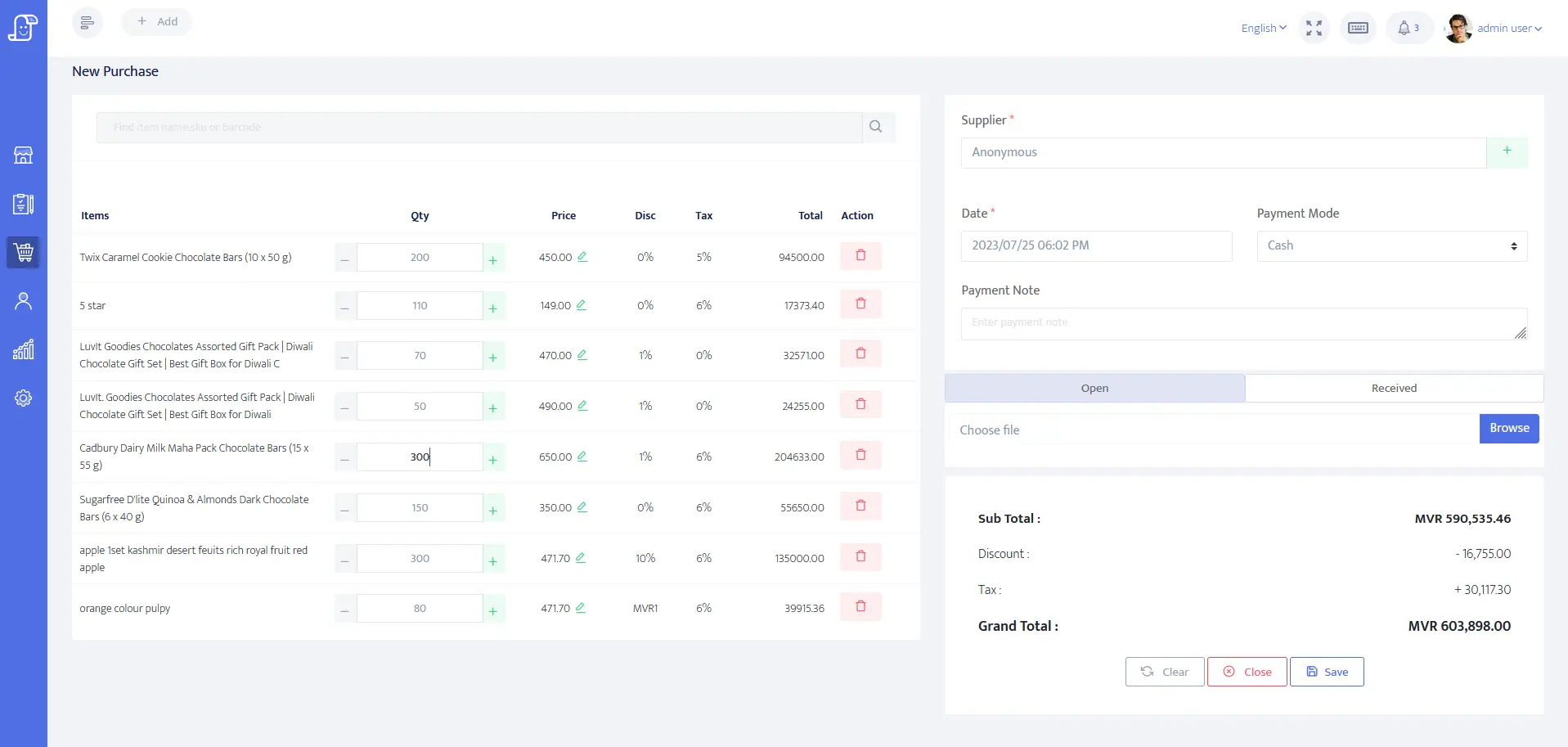
| Item dates | The item editor and repository store manufacturing and expiry dates on an item record. | These are item-level fields. No batch or lot-level inventory model was demonstrated. |
| Expired-item visibility | Eleven focused expiry dashboard model/controller tests passed: success, empty results, date formatting and failure paths. | Tests used synthetic API data; they did not sell, quarantine or recall physical medicine. |
| Counter filter | Two reviewed item-selection code paths compare the item-level expiry before showing an item for sale. | Source inspection is not a complete counter test and does not establish multi-lot FEFO. |
| Expiry report | A documented item-expiry report route and report view exist in the pinned source. | The excluded repository test was not counted as passed, and no production report was reconciled. |
| General POS records | Sales, purchases, returns, customers, suppliers, stock movement, tax fields and backup paths are documented. | No prescription workflow, controlled-drug register or country compliance review was executed. |
| Barcode and traceability | Generic barcode workflows and scanner interfaces are documented elsewhere in the release. | No GS1 Healthcare DataMatrix parsing, GTIN-plus-lot record, serialization or physical medicine scan was demonstrated. |
Use a requirements matrix before choosing a pharmacy POS
| Requirement | Minimum question | Evidence to retain |
|---|---|---|
| Identity | Can staff distinguish medicine, strength, form and pack without relying on a shortened name? | Approved product master and scan result. |
| Receipt | Can one delivery record supplier, document, lot, expiry and quantity, including two lots of one product? | Supplier document, receipt record and stock by lot. |
| FEFO | Does selection use the earliest acceptable expiry, and can an authorized person explain an exception? | Pick result, reason and audit history. |
| Sale or issue | Does the final record contain every field required for that product class and jurisdiction? | Receipt plus any prescription or statutory register entry. |
| Quarantine | Can expired, damaged, returned, recalled and suspect stock be separated from saleable quantity? | Status, location, actor, reason and time. |
| Recall | Can the pharmacy identify affected stock and distribution without searching paper and POS records separately? | Recall list and quantity reconciliation. |
| Access and privacy | Who can view or change sensitive sale, customer, prescription and stock records? | Permission test and access log. |
| Recovery | Can a separate backup restore representative lots, sales and required records before the recovery deadline? | Backup hash, restore log and record checks. |
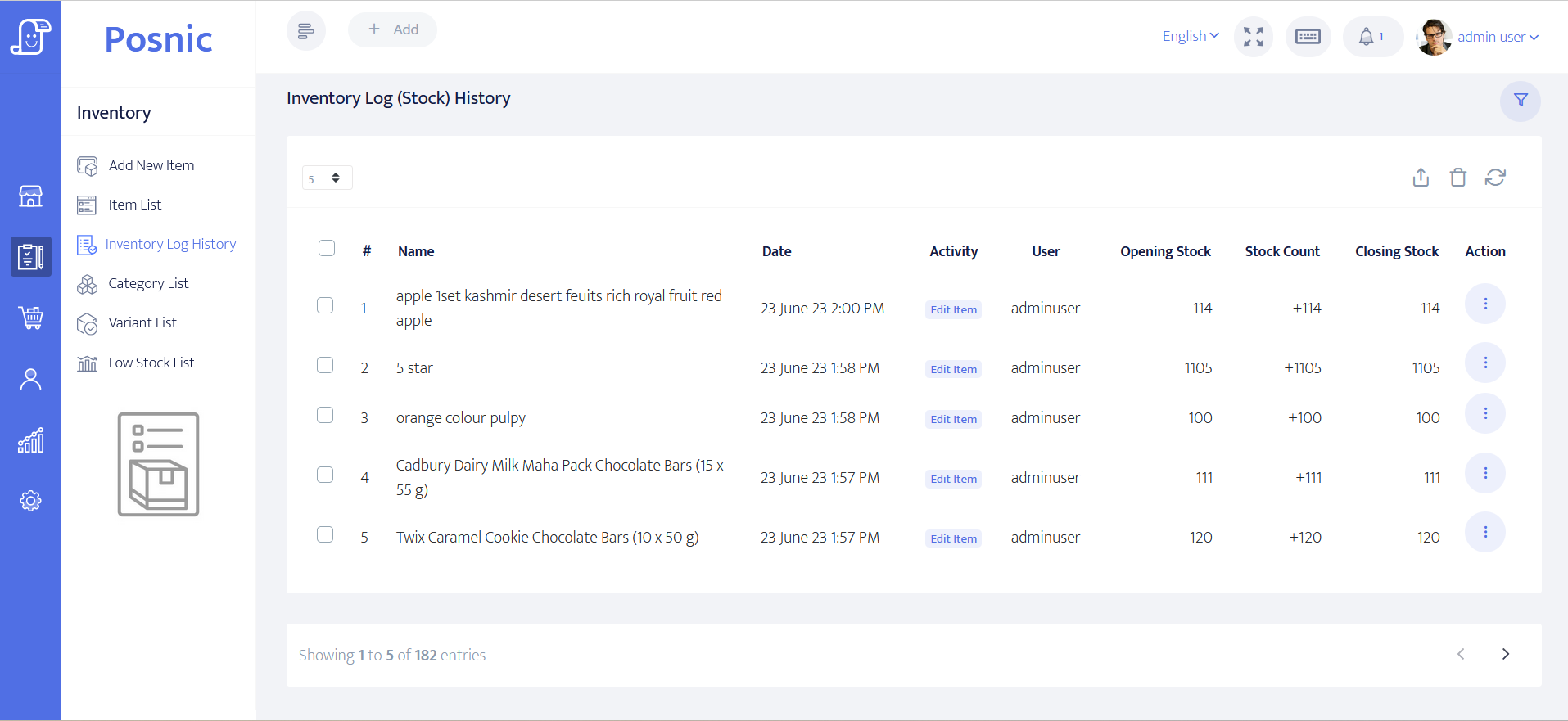
Inventory evidence is useful only when the movement remains explainable
Ten tasks for a pharmacy acceptance run
- Have a licensed pharmacy owner or qualified adviser list mandatory sale, purchase, prescription, traceability and retention fields for the exact jurisdiction and product classes.
- Create representative medicines with similar names, different strengths, pack sizes, tax treatment and storage conditions.
- Receive two lots of one medicine with different suppliers or invoices, quantities and expiry dates.
- Scan the actual 1D and 2D symbols in use and verify every parsed field, duplicate, unknown and damaged-code fallback.
- Prove FEFO selection, near-expiry review and an authorized exception without merging the two lot balances.
- Try to sell expired, quarantined, recalled and zero-stock records through every item-selection path.
- Run a normal sale, return, cancellation and any required prescription or restricted-product record under the intended permissions.
- Issue a mock recall for one lot and reconcile received, sold, transferred, returned, quarantined and remaining quantities.
- Reconcile the day to cash, payment-provider evidence, stock movement and required registers.
- Restore an off-machine backup into a disposable setup and verify representative item, lot, sale and statutory records before approval.
Where archived evidence run fits, and where it does not
archived Posnic evidence can be evaluated as a free, open-source POS base where general billing, purchasing, stock movement and item-level expiry are useful. Its public source makes the gap review inspectable.
Do not treat the current release as a proven pharmacy compliance system. If the written requirements need lot-level stock, GS1 Healthcare data parsing, serialized traceability, prescription processing, controlled-drug records, interactions, insurer claims, cold-chain sensors or tested recall execution, those capabilities need separate implementation and acceptance evidence before use.
Primary pharmacy and traceability sources
WHO good storage and distribution practices
WHO defines FEFO, calls for batch and expiry records, stock rotation, controlled storage, traceable distribution records and recall procedures.
GS1 healthcare 2D barcodes
GS1 explains healthcare use of DataMatrix and application identifiers for GTIN, batch or lot, expiry and serial data where relevant.
India Drugs Rules
CDSCO publishes the official Drugs Rules page. Record particulars differ by sale and drug schedule; examples include purchase, batch, prescription and retention duties.
US drug supply-chain tracing
FDA explains DSCSA product identification, tracing and dispenser responsibilities for covered prescription drugs in the United States.
These sources are decision inputs, not legal advice or a claim that one rule applies worldwide. Confirm current local requirements with the responsible authority and qualified advisers.
Pharmacy POS questions
What should pharmacy POS software track?
Start with product identity, batch or lot, expiry, supplier and receipt, quantity by location, sale or issue, return, quarantine and recall history. Prescription, controlled-drug, tax and retention requirements depend on the jurisdiction and pharmacy.
Does the archived Posnic evidence provide batch or lot-level pharmacy inventory?
Not in the evidence reviewed. archived Posnic evidence stores manufacturing and expiry dates on an item record, but this review did not find a demonstrated batch or lot-level inventory model. Do not use an item-level date as a substitute where lot traceability is required.
Does the archived Posnic evidence stop expired products at the counter?
The reviewed source contains item-selection checks that omit an item when its item-level expiry is past, plus expired-product dashboard and report paths. This was not validated as a complete physical pharmacy counter or multi-lot FEFO workflow.
Is Posnic a prescription or controlled-drug system?
No such claim is made. This review did not establish prescription processing, pharmacist verification, controlled-drug registers, interaction checking or electronic prescription integration in archived evidence run.
Is Posnic pharmacy POS compliant in every country?
No software should make that universal claim. Licensing, sale, prescription, traceability, tax, privacy and retention duties vary. Map the applicable rules to an acceptance test with qualified local advisers before deployment.