POS operations guide
Interior designer project-deposit, procurement-cost and client-balance POS workflow
A design project joins creative scope, client approvals, supplier commitments, goods in transit, installation and staged money. Keep enquiry, accepted proposal, design fee, client deposit, procurement cost, markup, change order, delivery, return and final balance separate.
Evidence and review scope
Evidence reviewed 2026-09-05. Reviewed the current Posnic stable release boundary and archived customer, sale and item models.
Stable release: v1.6.1, source commit 567a176. This page does not establish a live interior-design deployment, accepted proposal, drawing, specification, site measurement, supplier quote, purchase commitment, delivery proof, installation approval, payment settlement or completed project. Evidence remains pinned to an archived source snapshot.
What the current evidence establishes
Client account evidence exists
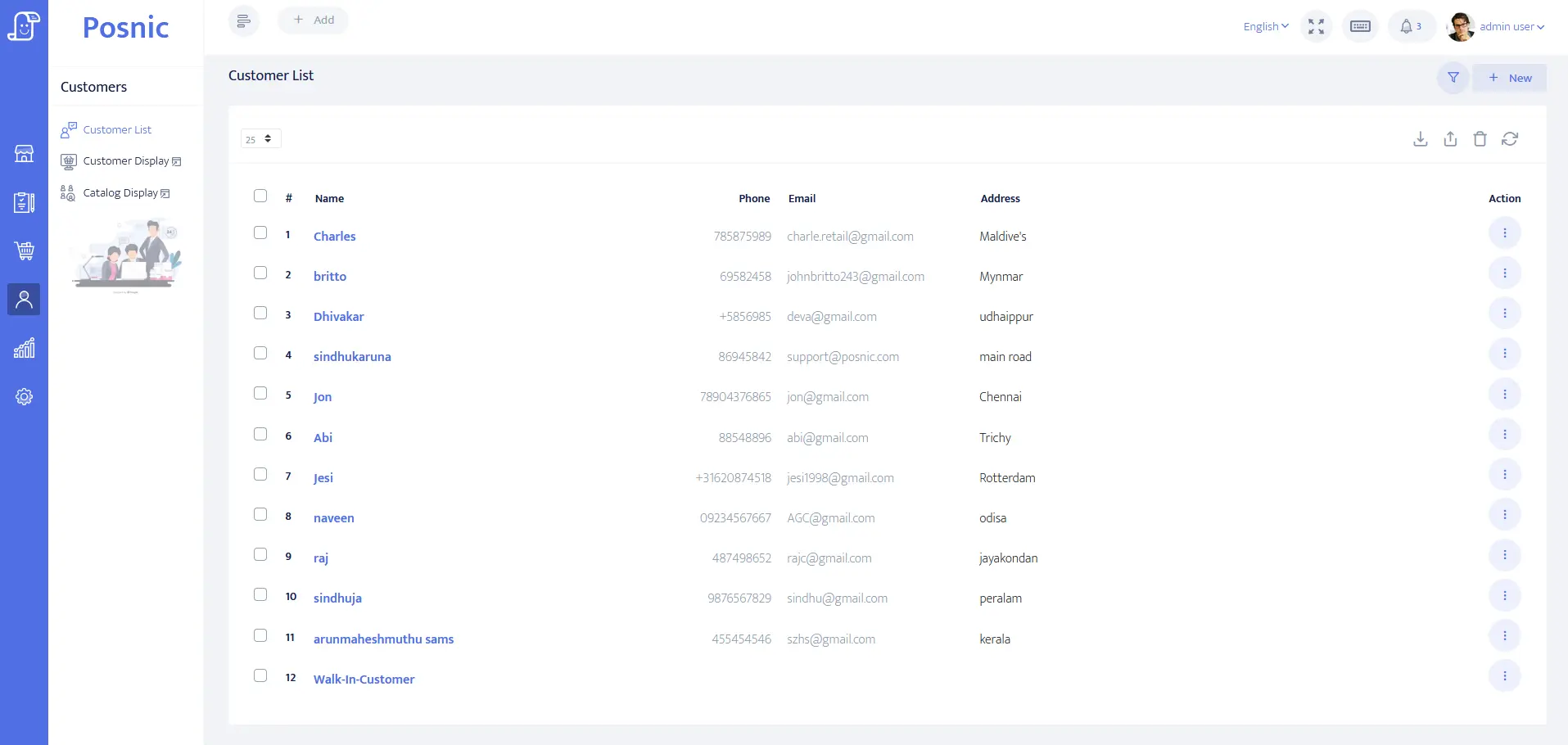
Customer identity, balance and payment-term fields can be evaluated for the contracting client or payer. They do not prove authority, consent or design approval.
Sale and payment records exist
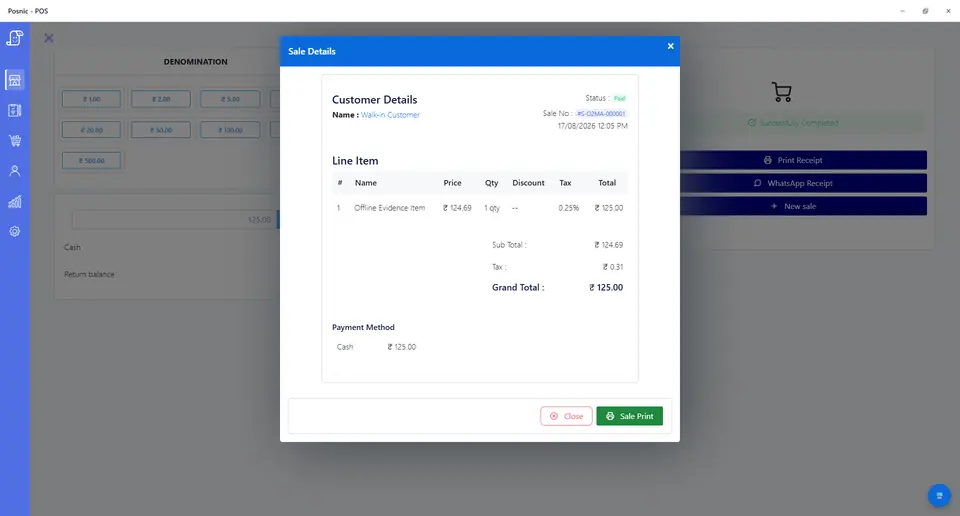
Sale lines can model design fees, deposits, furnishings, procurement charges, credits and refunds. They do not prove settlement, supplier ordering or delivery.
Item and stock evidence exists
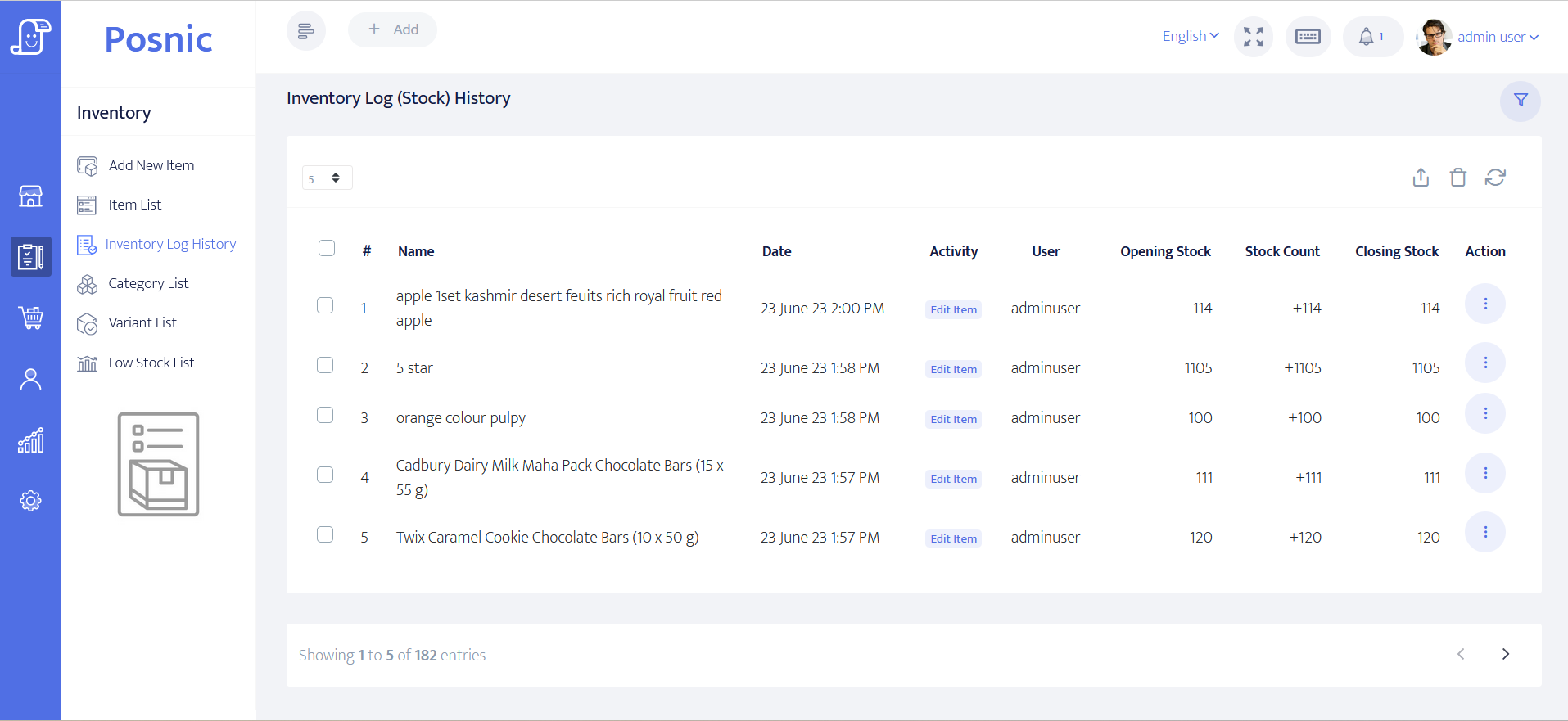
Item and stock-history paths can be inspected for samples, decor, furnishings and approved retail goods. They do not establish ownership, goods in transit or site custody.
Project controls remain operational
Drawings, specifications, procurement authority, supplier terms, site safety, insurance, tax, privacy and professional duties require qualified owner review.
Interior designer POS controls before rollout
A client deposit is not earned revenue, a supplier estimate is not an actual cost, and a paid invoice is not proof that an approved item reached the correct site.
| Area | Record to keep | Why it matters | Acceptance check |
|---|---|---|---|
| Client | Contracting party, payer, project address, billing fields, contact permission and balance. | The right party must approve scope and spending. | Private site notes stay off receipts. |
| Proposal | Room or phase, service scope, deliverables, exclusions, fee, tax treatment and version. | One generic design item hides obligations. | Accepted version remains identifiable. |
| Project deposit | Amount, purpose, due date, tender, cancellation treatment and original receipt. | Collection does not prove work completion. | Deposit and project balance reconcile. |
| Budget | Approved allowance by room, category or phase plus contingency boundary. | Client budget differs from supplier commitment and final cost. | Variance retains approval and reason. |
| Selection | Product, supplier, specification reference, quantity, finish, lead time and client approval. | Commercial lines must trace to approved choices. | Receipt avoids pretending to be a specification. |
| Procurement cost | Supplier estimate, order reference, actual cost, freight, tax and currency basis. | Estimated and actual costs affect margin differently. | Cost changes do not overwrite history. |
| Client charge | Pass-through cost, designer fee or markup method, approved price and tax treatment. | Transparent rules reduce disputes. | Cost and client price stay distinct. |
| Supplier payment | Deposit, balance, credit, failure, refund and proof reference. | Client collection is not supplier settlement. | Both money paths reconcile separately. |
| Change order | Old scope, new scope, cost, client price, schedule effect, reason and approver. | Design changes alter margin and obligations. | History is retained, not overwritten. |
| Delivery and custody | Ordered, acknowledged, dispatched, received, inspected, stored, installed and returned states. | Payment does not prove condition or location. | Damage and shortage remain visible. |
| Client balance | Design fees, goods, deposits, milestones, credits, refunds and outstanding amount. | Project value and collections must agree. | Every receipt traces to accepted scope. |
| Owner review | Sales, deposits, receivables, committed costs, goods in transit, returns, refunds and margin. | Cash, cost and project obligations diverge. | Money and open commitments close together. |
Practical workflow
Version scope and approvals
Retain every proposal, room selection and approved change instead of replacing the original commercial record.
Separate the money paths
Track client deposits and balances independently from supplier deposits, invoices, credits and refunds.
Protect procurement margin
Keep estimate, actual cost, freight, tax, fee or markup and client-approved price as auditable values.
Close custody with finance
Review tenders beside open orders, goods in transit, damage, returns, installations, credits and failures.
Interior design enquiry-to-close flow
Build the proposal
Capture client, site, rooms, phases, fees, allowances and exclusions.
Approve and collect
Accept scope, design fee, project deposit and payment milestones.
Select and procure
Link approved goods to supplier estimate, order, actual cost and client price.
Receive and install
Track delivery, inspection, storage, damage, return and site acceptance.
Settle and reconcile
Close client balance, supplier liabilities, credits, returns and project margin.
Hardware, software and data setup
Hardware
- Office computer or tablet and proposal or receipt printer.
- Barcode scanner only where samples or stocked decor carry controlled labels.
- Site device only after connectivity, privacy and offline fallback review.
- Payment terminal without storing card data in POS.
- Off-device backup for client, project, payment and adjustment records.
Software and data
- Client accounts with minimum necessary billing and site data.
- Design fees, deposits, goods, freight, procurement fees, credits and refund items.
- Separate proposal, approved, ordered, received, installed, returned and closed states.
- Reports for client balances, committed costs, goods in transit, returns and margin.
- Export and restore workflow before real project data is imported.
Setup sequence
- Write proposal, deposit, procurement, markup, change, cancellation, credit and refund rules.
- Create synthetic clients, rooms, services, goods, suppliers and payment labels.
- Quote and revise one project before accepting the final version.
- Collect a project deposit without marking design or procurement complete.
- Approve one selection and record supplier estimate, order, actual cost and client charge.
- Test freight change, substitute, damage, failed payment, cancellation and return.
- Complete one delivery and installation with a documented exception and final balance.
- Reconcile client receipts, supplier payments, costs, open orders, credits and margin.
- Back up and restore records, then obtain operations, finance, payment, privacy, contract and local approval.
Product evidence to inspect
Mistakes to avoid
- Treating an enquiry or unaccepted proposal as an authorised project.
- Combining supplier cost, freight, designer fee and client price into one unexplained value.
- Overwriting product selections, quantities, finishes, costs or approvals.
- Recording client deposits as ordinary earned project revenue.
- Using POS billing as proof of drawings, procurement authority, delivery or installation.
- Putting access codes, private site details or sensitive client notes on receipts.
- Importing real project data before backup and restore pass.
Use the blank interior designer POS acceptance record
The CSV keeps 24 controls blank until the exact workflow is tested, including proposals, deposits, budgets, selections, supplier costs, client charges, changes, deliveries, returns, balances and restore.
Primary sources used
Current stable release
Pinned source tree
Customer model
Sale model
Item model
PCI SSC merchant process
Related Posnic pages
Questions
Is POS the same as interior design project management software?
No. Drawings, specifications, schedules, site instructions, supplier commitments and professional approvals need separate controls.
How should a client deposit be recorded?
Link deposits and milestones to accepted project value without treating collection as proof of completed work.
How should procurement costs and client charges be tracked?
Keep supplier estimate, actual cost, freight, tax, fee or markup and client-approved price distinct.
Can a receipt prove delivery or installation?
No. Supplier acknowledgement, inspection, site acceptance, damage and installation evidence remain separate.
Where does Posnic fit?
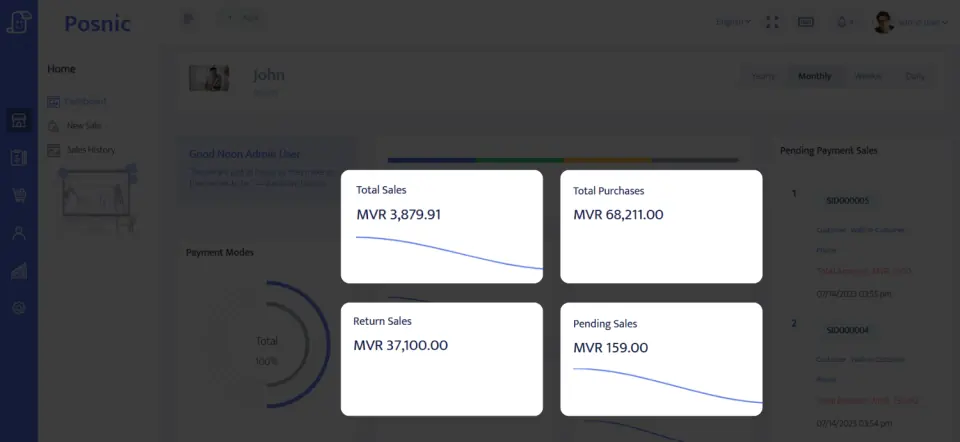
Archived evidence can be evaluated for accounts, sale lines, payments, items and reports. It does not prove project control, fulfilment, settlement or a live rollout.
Where Posnic fits
Posnic Community Edition can be evaluated for interior-design office billing, client accounts, design and procurement items, project deposits, payment labels, sample or decor stock, credits and reports. Keep drawings, specifications, supplier ordering, goods-in-transit custody, site delivery and installation outside scope until the workflow passes the blank record. Posnic Cloud helps only when the studio needs remote dashboard access, managed backup, multi-office visibility or scoped custom work.