POS operations guide
Fleet maintenance workshop vehicle assignment, preventive-service schedule, repair-order, parts-cost, downtime and account-billing POS workflow
A fleet workshop joins exact vehicle identity, assignment and availability with odometer or engine hours, preventive schedules, reported defects, approved work, parts and outside-service cost, downtime, return-to-service authority and account billing. Keep maintenance evidence, operational status, stock, cost and money as separate records that reconcile.
Evidence, safety and jurisdiction boundary
Evidence reviewed 2026-09-10. Reviewed the current Posnic release boundary and archived customer, sale and item models alongside FMCSA maintenance guidance, NHTSA recall information, OSHA vehicle-safety guidance and EPA used-oil guidance. FMCSA describes systematic maintenance as a regular or scheduled program and notes that intervals can be fleet- or vehicle-specific. These US sources illustrate controls; they do not replace manufacturer instructions or the transport, inspection, workplace, environmental, tax, payment, privacy and record-retention rules where a fleet operates.
This page does not establish a live fleet deployment, maintenance completion, qualified technician, corrected defect, safe vehicle, valid inspection, legal dispatch, return-to-service approval or settled account. A NHTSA VIN result also has stated coverage limits, so preserve the lookup source, time, result and follow-up rather than turning a single result into a permanent safety claim. Product evidence remains pinned to an archived source snapshot.
What the current product evidence establishes
Accounts can be evaluated
Customer and balance fields can model a fleet client, cost centre or payer. They do not prove vehicle control, purchase-order authority, driver assignment or data-law compliance.
Quote and sale lines exist
Quotation and sale lines can represent labour, parts, fluids, tyres and outside work. They do not create a repair order or prove authorization, completion, workmanship or safety.
Item history can be tested
Item and stock-history paths can be evaluated for parts and consumables. They do not prove compatibility, fitment, actual use, core custody, waste transfer or vehicle allocation.
Reports support reconciliation
Sales reports can support owner review while schedules, defects, work orders, vehicle availability, downtime and return-to-service decisions remain separately controlled.
Fleet maintenance POS controls before rollout
A due date is not a completed service, a closed repair order is not a safe vehicle, and a paid invoice is not return-to-service authority.
| Area | Record to keep | Why it matters | Acceptance check |
|---|---|---|---|
| Fleet and vehicle register | Fleet, controlling party, department, unit number, VIN or chassis, registration, make, model, year, fuel or energy type, tyre size, odometer or hours, lease or ownership and operating class. | Similar vehicles and changing leases make unit number alone unsafe as an identity key. | Every schedule, defect, repair order, part, cost and dispatch resolves to one vehicle and controlling party. |
| Assignment and availability | Vehicle, driver or team, route or purpose, depot, key or access custody, planned window, actual handover and available, reserved, in-service, restricted or unavailable state. | A workshop booking can conflict with operational assignment, and payment state says nothing about availability. | Overlapping assignment and workshop use are blocked or explicitly resolved. |
| Meter and preventive schedule | Odometer or engine-hour source, reading, capture time, due operation, time or meter rule, manufacturer basis, local requirement, tolerance, last evidence and next due value. | Calendar, distance and engine-hour triggers can differ by unit and duty cycle. | A booking or invoice cannot advance the last-completed or next-due value. |
| Defect and restriction | Reporter, vehicle, time, location, symptom, warning, inspection report, severity, operating restriction, notice, escalation and disposition. | Reported, inspected, deferred, corrected and safe are different states. | Open safety-related defects remain visible through invoicing and payment. |
| Repair order and authority | Complaint, finding, scope, estimate version, labour, parts, fluids, tyres, outside work, exclusions, limit, purchase order, approver and supplemental change. | Fleet, leasing company, warranty provider and driver may have different authority. | Original scope, approving party and later variations remain attributable. |
| Work and technician evidence | Assigned technician, competency scope, bay or mobile location, procedure revision, task, measurement, tool, result, exception, inspection and completion time. | A staff role, clock entry or sale line cannot prove competent maintenance. | Work evidence is attributable and stays separate from billing status. |
| Parts, tyres, fluids and cores | Manufacturer, part number, applicability, specification, batch or serial, quantity reserved, issued, installed, used, returned, damaged, core, removed part and waste route. | Purchased, stocked, issued and installed quantities are not interchangeable. | Every material and custody transition reconciles to vehicle and repair order. |
| Outside work and warranty | Supplier, authorization, dispatch and return custody, subcontract evidence, supplier invoice, warranty terms, claim, decision, recovery and fleet responsibility. | Supplier payment or warranty credit does not prove work quality or vehicle release. | Supplier cost, recovery and customer or department charge remain distinct. |
| Downtime and replacement | Unavailable start, reason, depot, forecast, actual ready time, operational impact, replacement vehicle, reassignment, delay cause and approvals. | A repair-order close time can differ from operational availability. | Downtime uses explicit operational events, not inferred invoice timestamps. |
| Return to service | Completed and deferred work, inspection or test evidence, unresolved warnings, recall disposition, defect certification, approver, driver notice and vehicle handover. | Ready, repaired, compliant, safe, dispatched and paid are separate decisions. | POS cannot clear a restriction or invent return-to-service approval. |
| Cost and account billing | Labour, material, tyre, fluid, outside work, towing, freight, tax, warranty, internal cost centre, markup, invoice, credit, payment and balance. | Fleet cost, supplier liability and customer charge can differ. | Estimate-to-actual variance and every value transfer remain visible. |
| Owner close and recovery | Due and overdue service, open defects and orders, unavailable vehicles, parts, cores, waste, purchase orders, supplier bills, invoices, credits, receivables, backups and restore evidence. | Cash close alone misses fleet availability and maintenance obligations. | Money, stock, vehicle status and open safety or service work reconcile together. |
Practical workflow
Register and schedule
Identify each controlled vehicle, meter source, manufacturer basis, due operation and next threshold.
Capture defects and authorize
Preserve reports, restrictions, findings, repair-order versions, purchase orders and supplemental approval.
Control work and cost
Link technician evidence, parts, tyres, fluids, cores and outside work without merging issue, use, completion and charge.
Release and reconcile
Keep inspection, return to service, assignment, downtime, account billing and owner close distinct.
Schedule-to-return flow
Identify and meter
Resolve fleet, vehicle, controller, assignment, odometer or hours and due rules.
Plan or restrict
Create preventive work or preserve a defect and operating restriction.
Authorize and perform
Control scope, competence, material, outside work and evidence.
Inspect and decide
Record completed, deferred and failed items before return-to-service authority.
Assign and close
Reconcile availability, downtime, cost, invoice, balance and next due work.
Hardware, software and data setup
Hardware
- Workshop or depot computer and repair-order or receipt printer.
- Reliable vehicle-identity and meter capture at each depot or mobile service point.
- Barcode scanner for parts, tyres, fluids, serials, batches and cores where supported.
- Separate suitable diagnostic, lift, inspection and calibrated maintenance equipment; POS is not a safety-test instrument.
- Payment terminal without storing card data in POS.
- Off-device backup for vehicle, schedule, work, stock and account references.
Software and data
- Minimum-necessary fleet, payer, department, vehicle, driver and supplier records.
- Separate labour, part, tyre, fluid, subcontract, towing, warranty, credit and payment items.
- Distinct due, booked, unavailable, restricted, awaiting-approval, awaiting-part, in-progress, inspected, return-authorized and available states.
- Restricted access to driver, route, inspection, defect, repair, cost and incident evidence.
- Reports for upcoming service, overdue vehicles, open defects, downtime, stock, cores, suppliers, warranty, balances and total maintenance cost.
Setup sequence
- Write vehicle-identity, control, assignment, meter, schedule, defect, restriction, repair-order, authority, material, outside-work, inspection, return-to-service and billing rules.
- Create synthetic fleets, departments, vehicles, drivers, meters, schedules, technicians, suppliers, services, parts, tyres, fluids and payment labels.
- Test date, distance, engine-hour and combined due rules plus corrected and late meter readings.
- Test overlapping vehicle assignments, workshop reservations, breakdowns and replacement vehicles.
- Test reported defects and restrictions independently of repair-order, invoice and payment states.
- Test purchase-order limits, estimate revisions and supplemental authorization without overwriting history.
- Test part applicability, reservation, issue, installation, return, core, removed-part and waste custody.
- Test outside work, warranty recovery, cost-centre allocation and estimate-to-actual variance.
- Test return-to-service authority, unresolved work, recalls, driver notice, failed payment, credit and refund scenarios.
- Reconcile due work, downtime, costs, stock, supplier bills, invoices, balances and backups; restore on a clean setup before pilot approval.
Product evidence to inspect
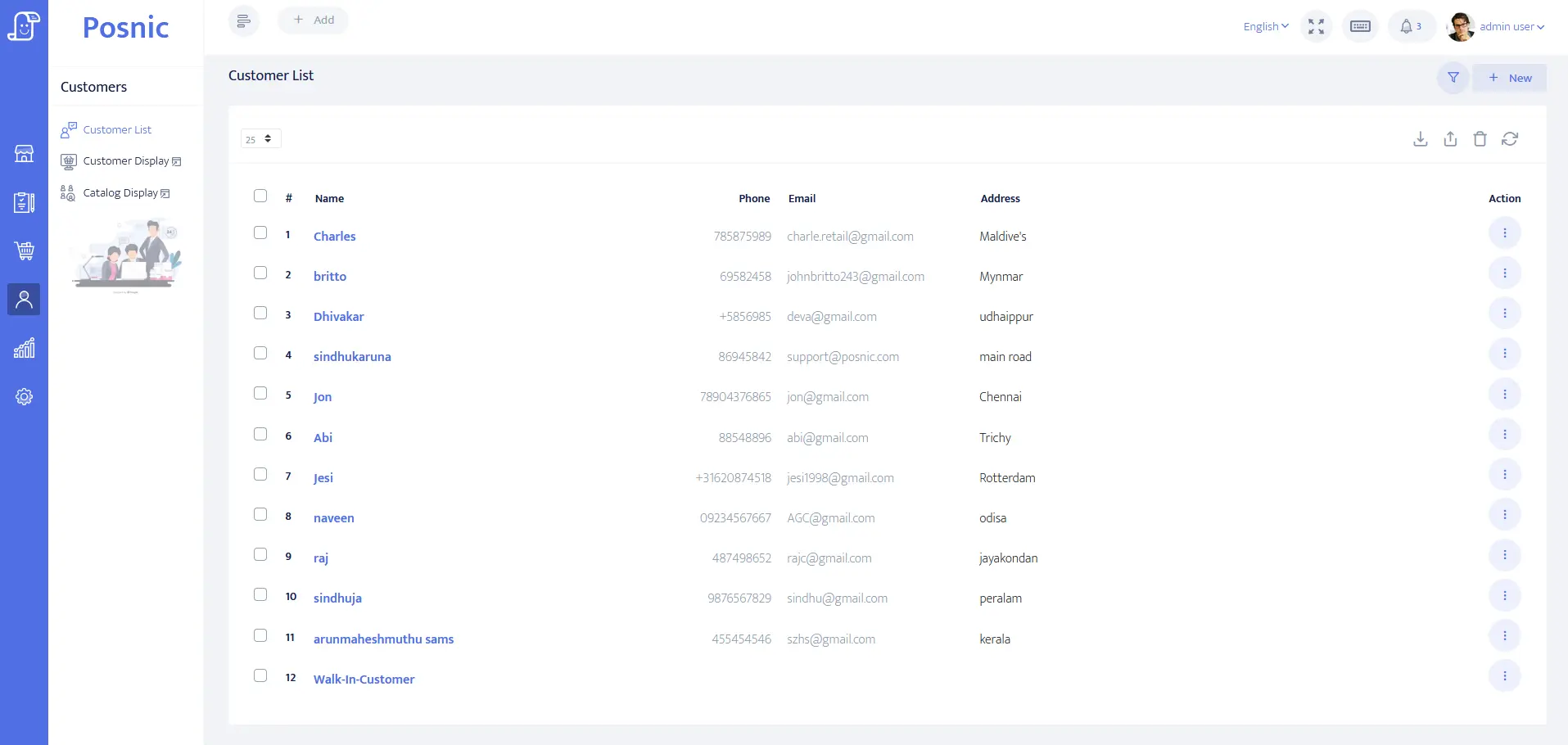
Evaluate payer and balance fields while vehicle control, assignment and authorization remain separate.
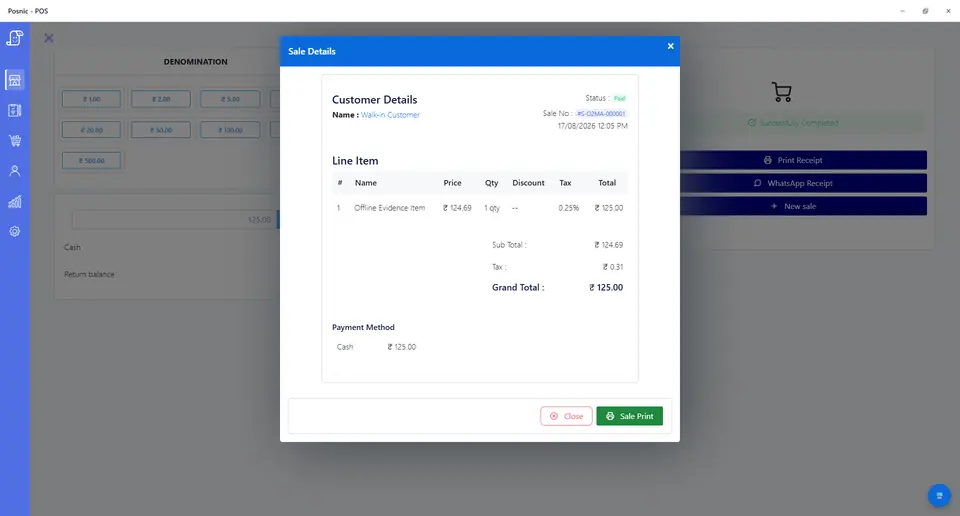
Sales can model accepted labour and material, not completed work or return-to-service evidence.
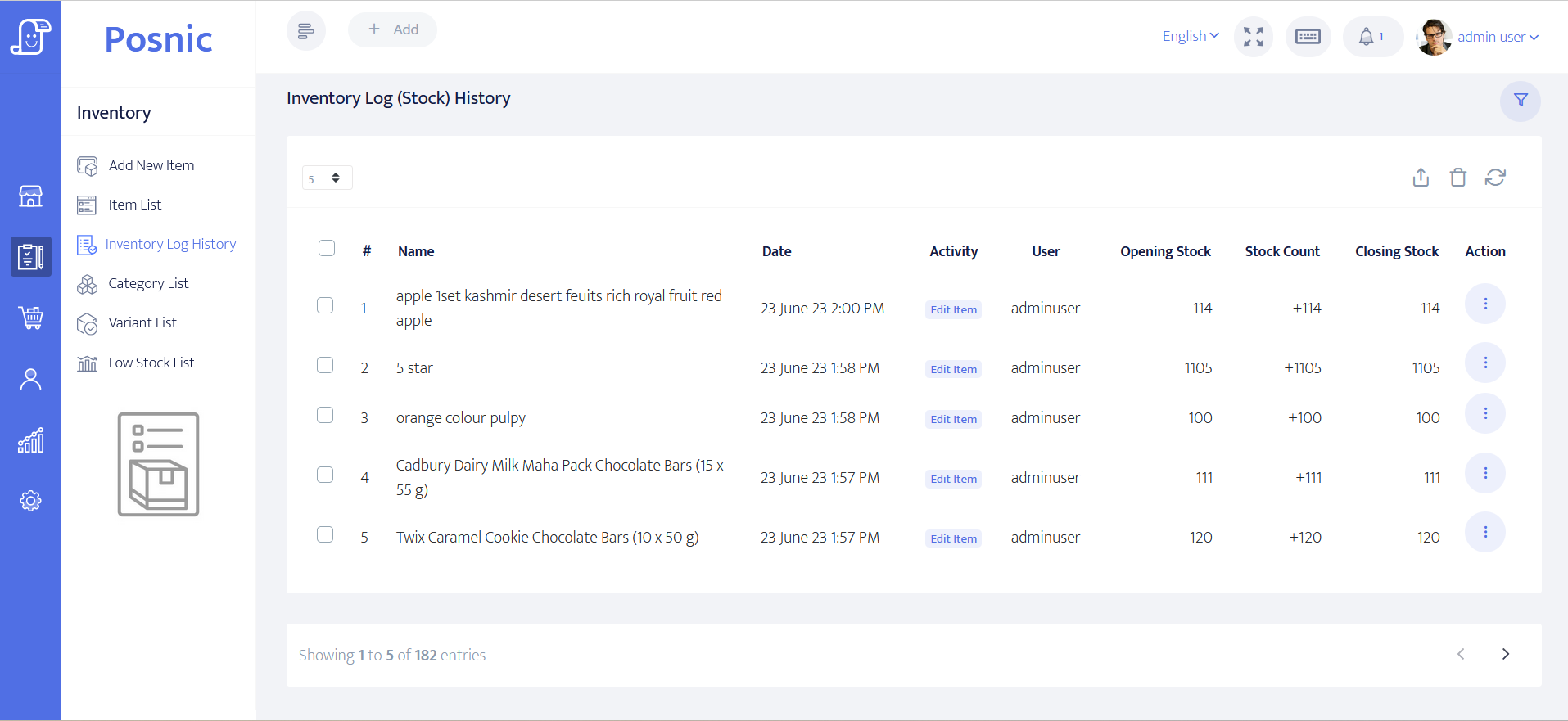
Test material movement without treating it as applicability, installation, actual use or waste evidence.
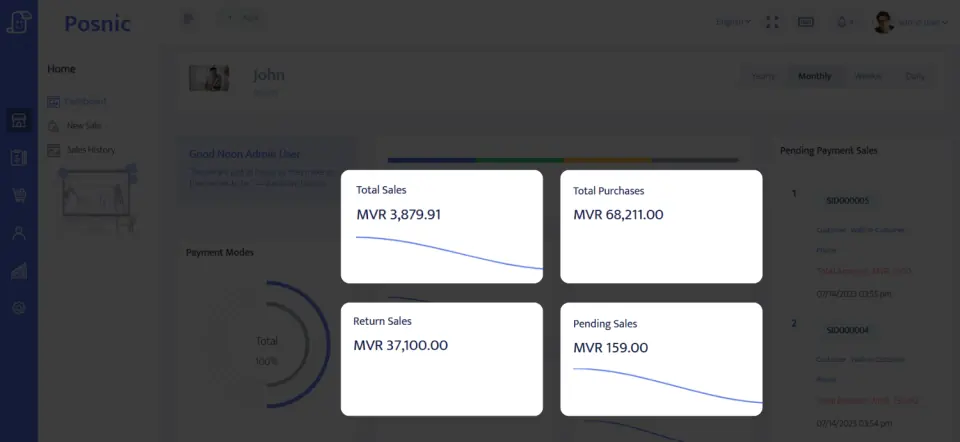
Sales reports support account review while schedules, defects, downtime and availability remain obligations.
Mistakes to avoid
- Using a unit number without VIN or chassis, controlling party and duplicate checks.
- Advancing a preventive schedule because work was booked, invoiced or paid.
- Allowing a sale status to clear an open defect, restriction or unavailable state.
- Treating driver assignment, technician role or repair-order close as safety evidence.
- Issuing parts without applicability, vehicle, order, actual-use and return reconciliation.
- Calculating downtime only from workshop or invoice timestamps.
- Netting supplier cost, warranty recovery, internal allocation and customer charge into one figure.
- Treating a VIN recall lookup as complete recall history or permanent clearance.
Use the blank fleet maintenance POS acceptance record
The CSV keeps 24 controls blank until tested, including vehicle identity, assignment, meter capture, preventive schedules, defects, restrictions, repair-order authority, technicians, material, outside work, warranty, downtime, return to service, account billing, owner reconciliation and restore.
Primary sources used
Current stable release
Pinned source tree
FMCSA maintenance guidance
Review systematic-maintenance guidance and Part 396 examples.
NHTSA recall lookup
OSHA and EPA guidance
Review vehicle-safety aspects and used-oil guidance for businesses.
Local authority
Confirm transport, inspection, roadworthiness, technician, workplace, environmental, insurance, tax, payment, privacy and retention duties where each vehicle operates.
Where Posnic fits
Posnic Community Edition can be evaluated for fleet or department accounts, quotations, maintenance labour and material sale lines, payment labels, controlled stock, credits and reports. Keep the vehicle register, assignments, meter readings, preventive schedule, defects, restrictions, repair orders, technician evidence, maintenance work, inspection, compliance, downtime and return-to-service authority outside scope until the workflow passes the blank record.