POS operations guide
Bicycle repair shop intake, estimate, parts, labour, safety-check, collection and client-balance POS workflow
A repair counter joins exact bicycle identity, visible intake condition, diagnosis, estimate approval, compatible parts, mechanic work, safety checks, collection and account billing. Keep custody, technical evidence, stock movement, invoice and customer balance separate.
Evidence and safety boundary
Evidence reviewed 2026-09-10. Reviewed the current Posnic release boundary and archived customer, sale and item models alongside US CPSC bicycle business guidance, current recall discovery and NHTSA bicycle-safety guidance. These sources illustrate product and rider-safety boundaries; they do not replace manufacturer instructions, competent mechanical judgment, or consumer, warranty, e-bike battery, workplace and road rules where a shop operates.
This page does not establish a live bicycle-shop deployment, correct diagnosis, compatible part, competent mechanic, correct torque, safe repair, passed inspection, roadworthiness, customer acceptance or payment settlement. Product evidence remains pinned to an archived source snapshot.
What the current product evidence establishes
Customer and balance fields exist
Customer identity, balance and payment terms can be inspected. They do not prove bicycle ownership, collection authority or privacy compliance.
Quote and sale records exist
Quotation and sale lines can model inspection, labour, parts, deposits, credits and refunds. They do not prove diagnosis, authorization, workmanship or safety.
Item history can be evaluated
Item and stock-history paths can be tested for parts and accessories. They do not prove compatibility, installation, adjustment, removed-part custody or disposal.
Mechanical work remains outside POS
Diagnosis, mechanic competency, manufacturer specifications, assembly, torque, adjustment, testing and roadworthiness require separate evidence and review.
Bicycle repair shop POS controls before rollout
A booked service is not a diagnosis, a part sale is not a repair, and payment is not proof that a bicycle is safe to ride.
| Area | Record to keep | Why it matters | Acceptance check |
|---|---|---|---|
| Customer, bicycle and intake | Customer, payer, bicycle type, brand, model, frame serial, colour, accessories, visible condition, photos, complaint and custody. | Similar bicycles and separate payer or collector roles create identity and release risk. | Every estimate, part, job and payment resolves to the intended bicycle. |
| Diagnosis and estimate | Observations, measurements, safety finding, uncertainty, labour, parts, exclusions, validity, version, approval limit and approving party. | Requested work can change after inspection. | Original findings, accepted version and later variations remain visible. |
| Unsafe or do-not-ride state | Finding, notice, bicycle location, release restriction, escalation and customer decision. | A queue or payment state must not erase a safety hold. | Unsafe bicycles cannot become ready through invoicing alone. |
| Part compatibility and movement | Manufacturer, model, dimensions, interface, material, rating, approved substitute, quantity issued, installed, returned and removed. | Purchased or stocked parts are not automatically compatible or fitted. | Compatibility evidence and each quantity transition reconcile. |
| Mechanic, work and torque | Assigned mechanic, competency scope, work performed, manufacturer specification, tool identifier, torque or adjustment result, exception and time. | A staff role or invoice line cannot prove competent assembly. | Technical evidence remains attributable and separate from payment. |
| Safety checks | Brake, steering, wheel retention, tyre, drivetrain, fastener and e-bike visible-condition checks; method, result, exception and corrective action. | Completion requires more than changing job status. | POS never invents passed checks or roadworthiness. |
| E-bike boundary | Battery, charger, drive system, visible damage, isolation, manufacturer instruction and specialist referral. | Battery opening, electrical work and damaged-battery handling can require separate competence and controls. | Sale status cannot authorize hazardous or out-of-scope work. |
| Collection and handover | Collector authority, bicycle and accessory identity, completed work, exceptions, advice, handover time and remaining balance. | Ready, paid and collected are different states. | Custody transfers only to the verified collector with an auditable record. |
| Invoice and owner close | Accepted work, deposit, labour, parts, tax, credit, payment, balance, open jobs, unsafe holds, callbacks, stock, custody and margin. | Cash close alone hides service and custody obligations. | Money, stock, bicycles and open commitments close together. |
Practical workflow
Identify at intake
Capture frame serial, visible condition, accessories, complaint, custody and collection authority before quoting.
Version the estimate
Preserve diagnosis, safety holds, accepted scope and authorization when findings or costs change.
Reconcile parts and work
Keep compatibility, issue, installation, return, removed parts, mechanic evidence and safety checks distinct.
Verify collection
Confirm bicycle, collector, advice, payment and custody transfer without treating any one as proof of the others.
Intake-to-collection flow
Intake and identify
Record customer, bicycle, serial, condition, accessories and complaint.
Inspect and authorize
Preserve findings, unsafe status, estimate version and approval.
Issue parts and repair
Link compatible parts, mechanic work and actual quantities.
Check and invoice
Keep safety evidence separate while billing accepted work.
Collect and review
Verify handover, payment, balance, stock and open callbacks.
Hardware, software and data setup
Hardware
- Counter computer or tablet and estimate or receipt printer.
- Camera for consented intake-condition and identity evidence.
- Barcode scanner for parts, accessories and serial workflows where supported.
- Separate calibrated mechanical tools; POS is not a torque or safety-test instrument.
- Payment terminal without storing card data in POS.
- Off-device backup for customer, bicycle, estimate, job, stock and payment references.
Software and data
- Minimum-necessary customer, payer, collector, bicycle and custody records.
- Separate inspection, labour, part, deposit, credit, refund and storage items.
- Distinct intake, diagnosed, awaiting-approval, awaiting-part, in-progress, unsafe-hold, checked, ready, collected and paid states.
- Restricted access to customer, condition, safety, collection and incident evidence.
- Reports for open jobs, ready bicycles, holds, balances, parts, callbacks, credits and margin.
Setup sequence
- Write intake, identity, custody, diagnosis, estimate, authorization, compatibility, mechanic, safety-check, collection, invoice and callback rules.
- Create synthetic customers, bicycles, frame serials, services, mechanics, parts, warranty providers and payment labels.
- Test visible-condition evidence and estimate revisions without overwriting intake or approval.
- Test unsafe holds and do-not-ride notices independently of ready, invoice and payment states.
- Test compatibility, stock issue, installation, unused return and removed-part custody.
- Test mechanic assignment, manufacturer specifications, torque and adjustment evidence without inferring competence from POS access.
- Test brake, steering, wheel, tyre, drivetrain and e-bike exception workflows.
- Test collection identity, failed payment, cancellation, credit, refund, uncollected bicycle and callback scenarios.
- Reconcile invoices, receipts, balances, stock, actual costs, custody and open obligations.
- Back up and restore records, then obtain mechanical, safety, warranty, payment, privacy and local approval.
Product evidence to inspect
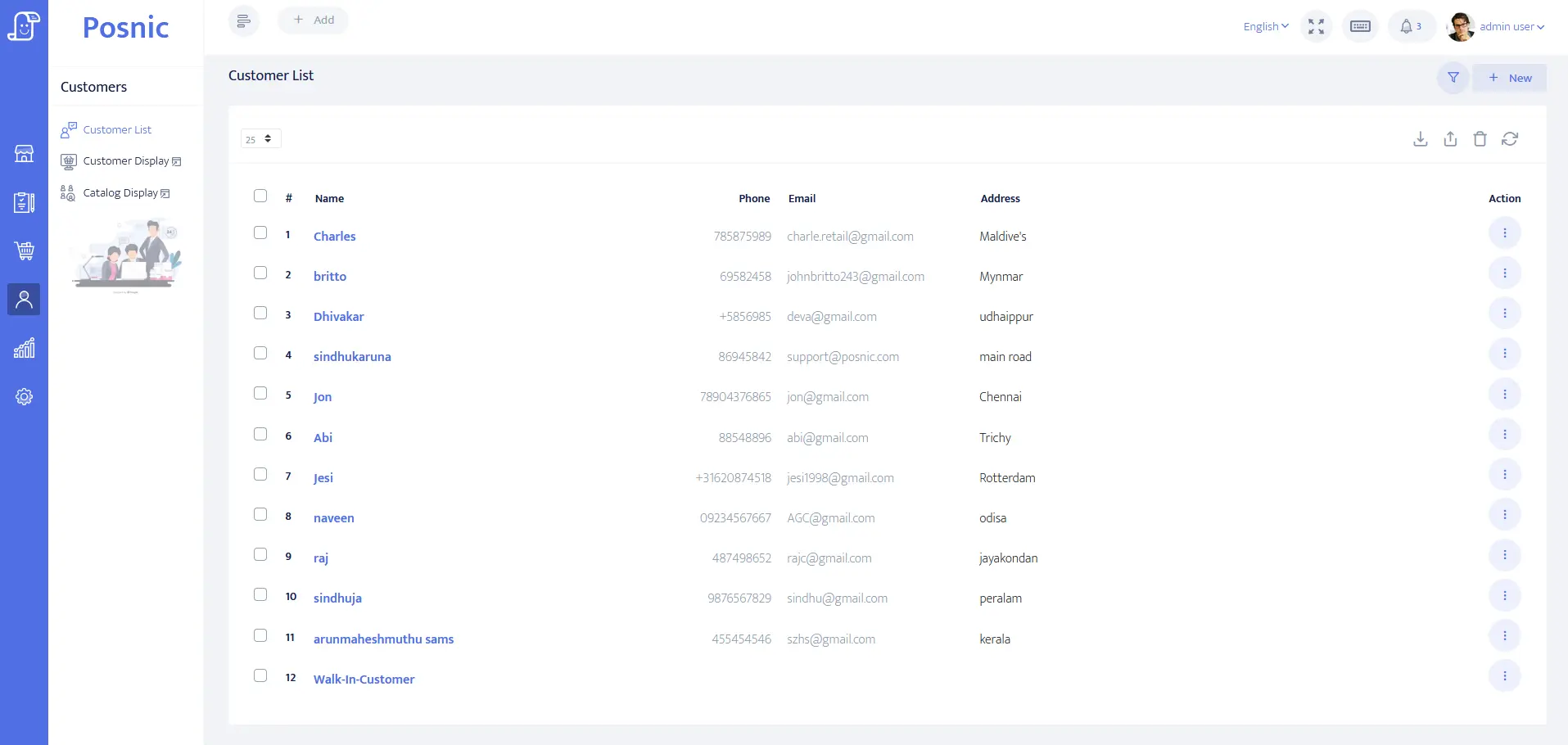
Evaluate payer references and balances while bicycle identity and technical evidence remain separate.
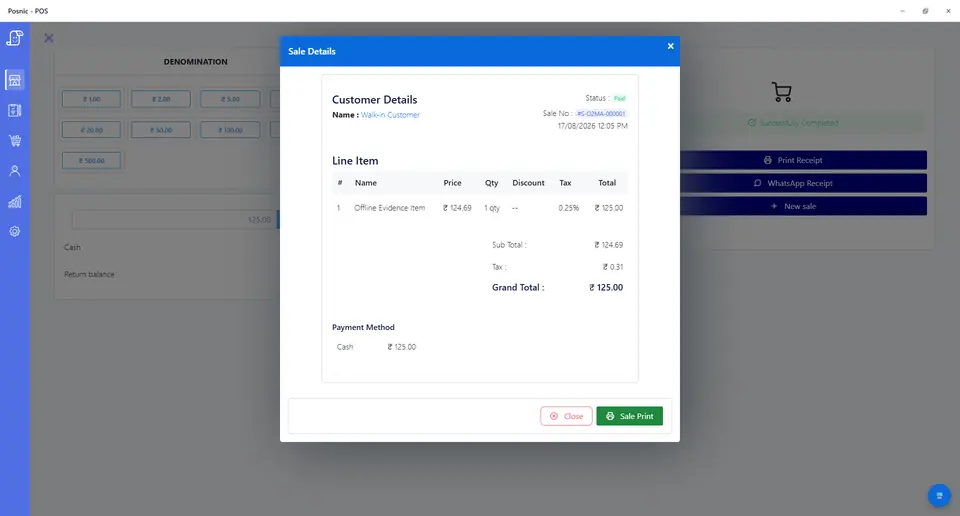
Sales can model labour and parts, not diagnosis, workmanship or safety evidence.
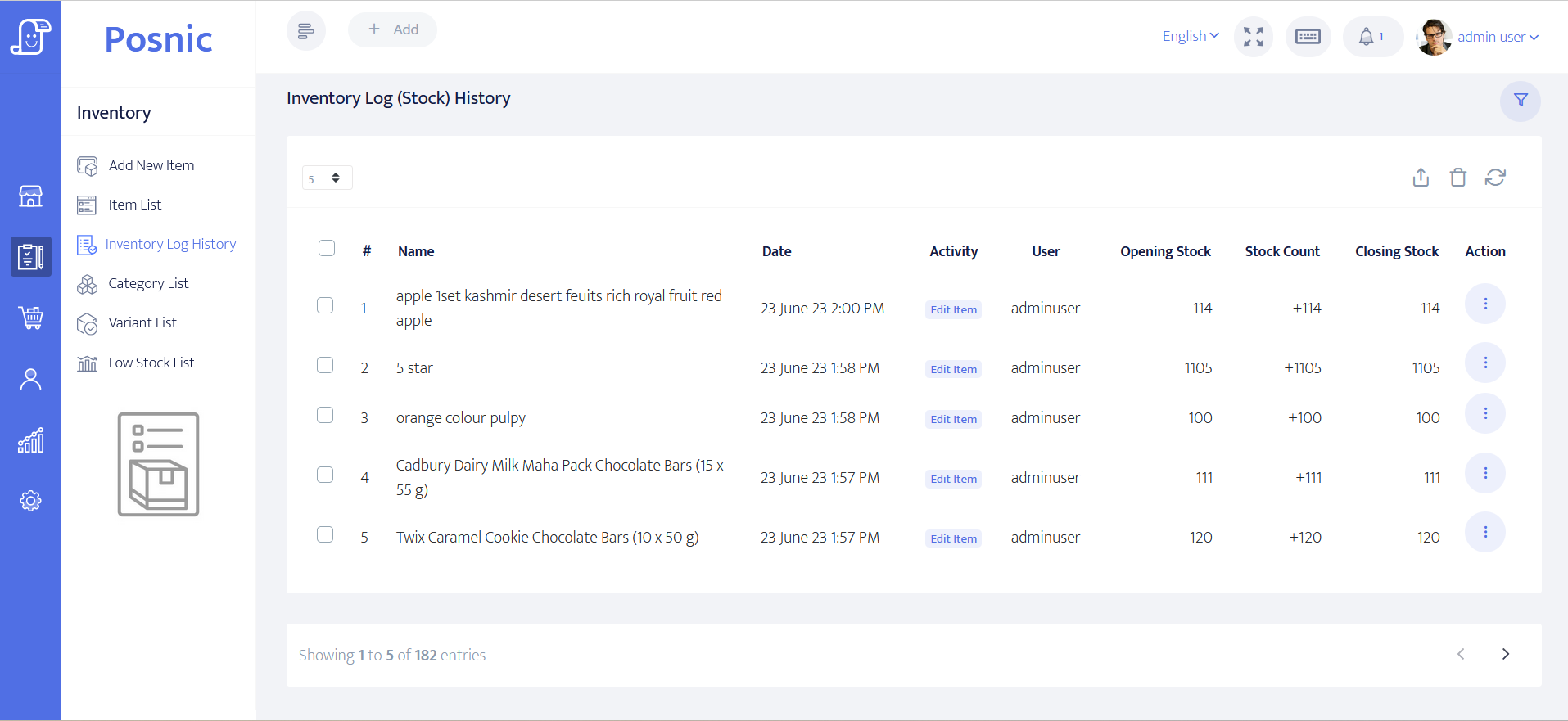
Test part movement without treating it as compatibility, installation or removed-part evidence.
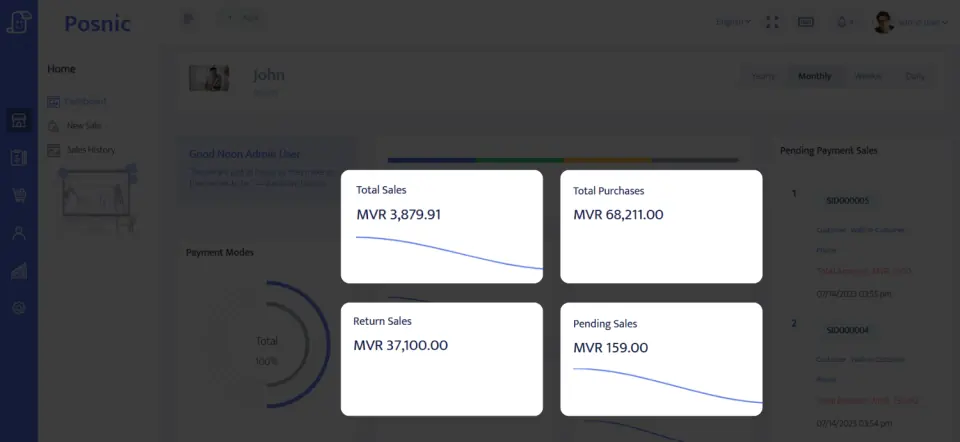
Sales reports support close while open jobs, holds, custody and callbacks remain operational obligations.
Mistakes to avoid
- Treating intake, ready, invoice or payment status as proof of safe repair.
- Using one generic bicycle record without frame serial, condition and accessory evidence.
- Installing parts without manufacturer identity, dimensions, standards and compatibility review.
- Using a POS role as evidence of mechanic competence.
- Overwriting estimate versions, unsafe holds, work, safety checks, part movement or callbacks.
- Marking an e-bike battery task complete without appropriate specialist and hazard controls.
- Releasing a bicycle without verifying collector, bicycle, accessories, advice and custody transfer.
- Putting unnecessary personal, lock or access details on receipts.
Use the blank bicycle repair shop POS acceptance record
The CSV keeps 24 controls blank until the workflow is tested, including bicycle identity, intake condition, estimate authority, unsafe holds, compatible parts, mechanic evidence, torque, safety checks, e-bike boundaries, collection, balances, callbacks and restore.
Primary sources used
Current stable release
Pinned source tree
CPSC bicycle guidance
CPSC recalls
NHTSA bicycle safety
Where Posnic fits
Posnic Community Edition can be evaluated for estimates, inspection, labour and part items, customer accounts, payment labels, controlled stock, credits and reports. Keep custody, diagnosis, compatibility, mechanic competency, technical work, torque, safety checks, roadworthiness, e-bike hazards, collection and incidents outside scope until the workflow passes the blank record.